
AnsimusAi

Decision intelligence for the mid-market

Find what’s eroding margin and tying up cash.

AnsimusAi.CxO works alongside the human CxO. It explains what’s driving performance and proposes scenario-tested Next Best Actions so the human CxO can make a more informed decision.

01 / From evidence to decision

Better prices can still leave you with lower margins.

In this manufacturing example, higher prices help. A shift in the products sold, plus scrap and overtime, more than offsets the gain. The first decision is which orders to reprice or run differently.

Read the manufacturing scenario

Exhibit 01 / Illustrative figures

Gross margin bridge

Gross margin (%) and contributions (percentage points)

  1. 24%Prior margin
  2. +1 ppPricing
  3. −2 ppProduct mix
  4. −1 ppScrap & overtime
  5. 22%Current margin

Figures are illustrative. They do not represent a customer or pilot result.

  1. Frame the decision

    Which orders should we reprice, and which should we run differently?

  2. Reconcile the evidence

    Match order lines to production costs, scrap and overtime for one product family.

  3. Test the next move

    Compare a targeted price change with a revised production schedule before acting.

02 / Industry perspectives

What the headline numbers can hide.

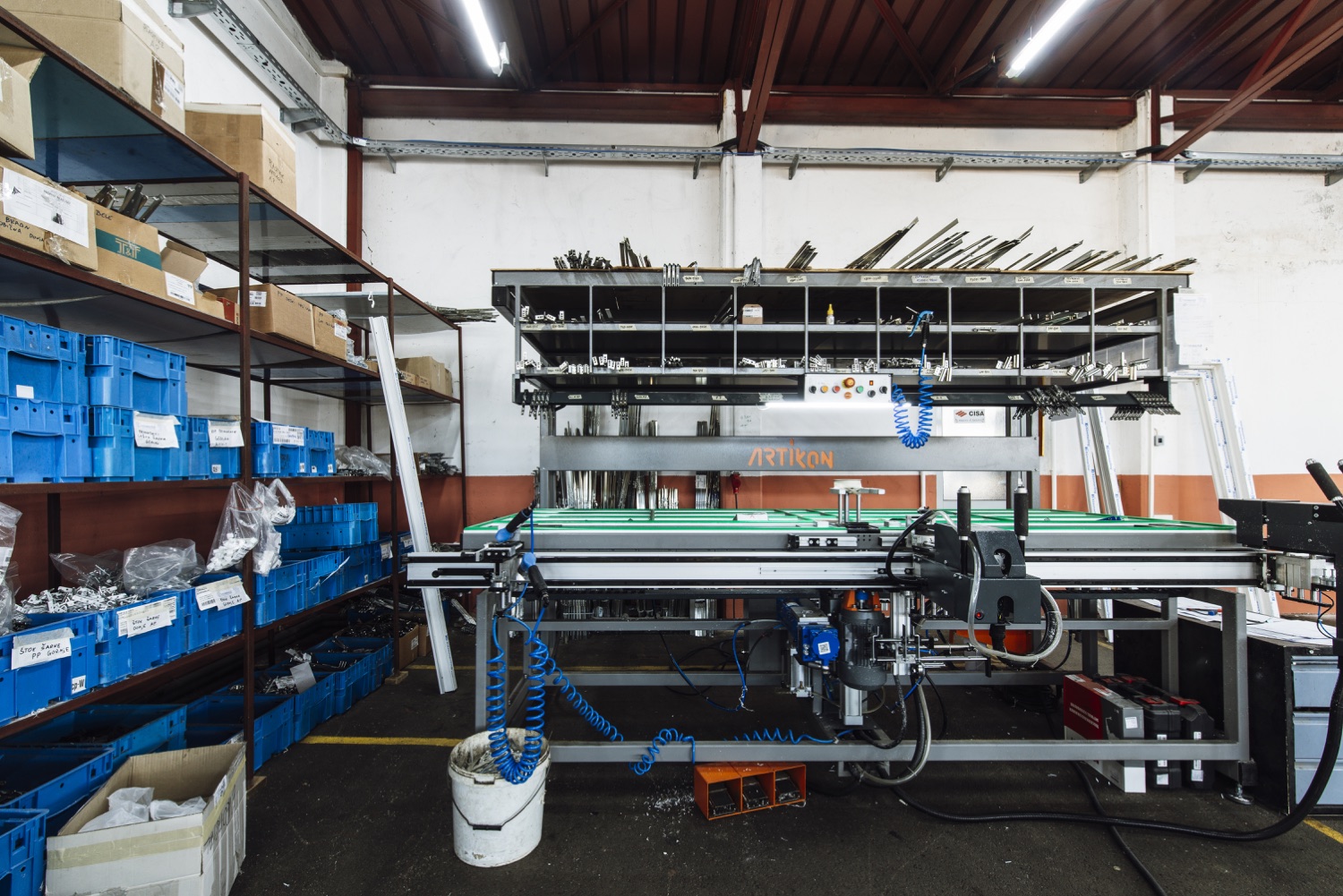
Industrial equipment and storage bins on a factory floor
Photo by Shixart1985 / Wikimedia Commons, CC BY 2.0. Cropped for display.

Manufacturing / Illustrative scenario

Prices went up. Why did margin fall?

A precision components manufacturer raised prices, but gross margin fell from 24% to 22% in the illustrative margin bridge. Sales and production use different part codes, so finance cannot readily match what a customer paid with what it cost to make the order.

AnsimusAi.data
Would match sales orders to production jobs for one product family, bringing selling prices, material costs, scrap and overtime into one view.
AnsimusAi.CxO
Would show how much of the margin change came from price, the mix of products sold, and scrap and overtime. It would model the likely effect of charging more for short runs or scheduling them together, so the human CxO can weigh the trade-offs.
Next Best Action
If the scenarios show that batching compatible orders could recover margin without delaying deliveries, AnsimusAi.CxO would propose that as the first move. The human CxO decides whether to run the trial and reviews gross margin and on-time delivery before expanding it.
What the team gets
A margin breakdown by driver and a comparison of repricing versus batching short runs, with assumptions the team can check against its own records.
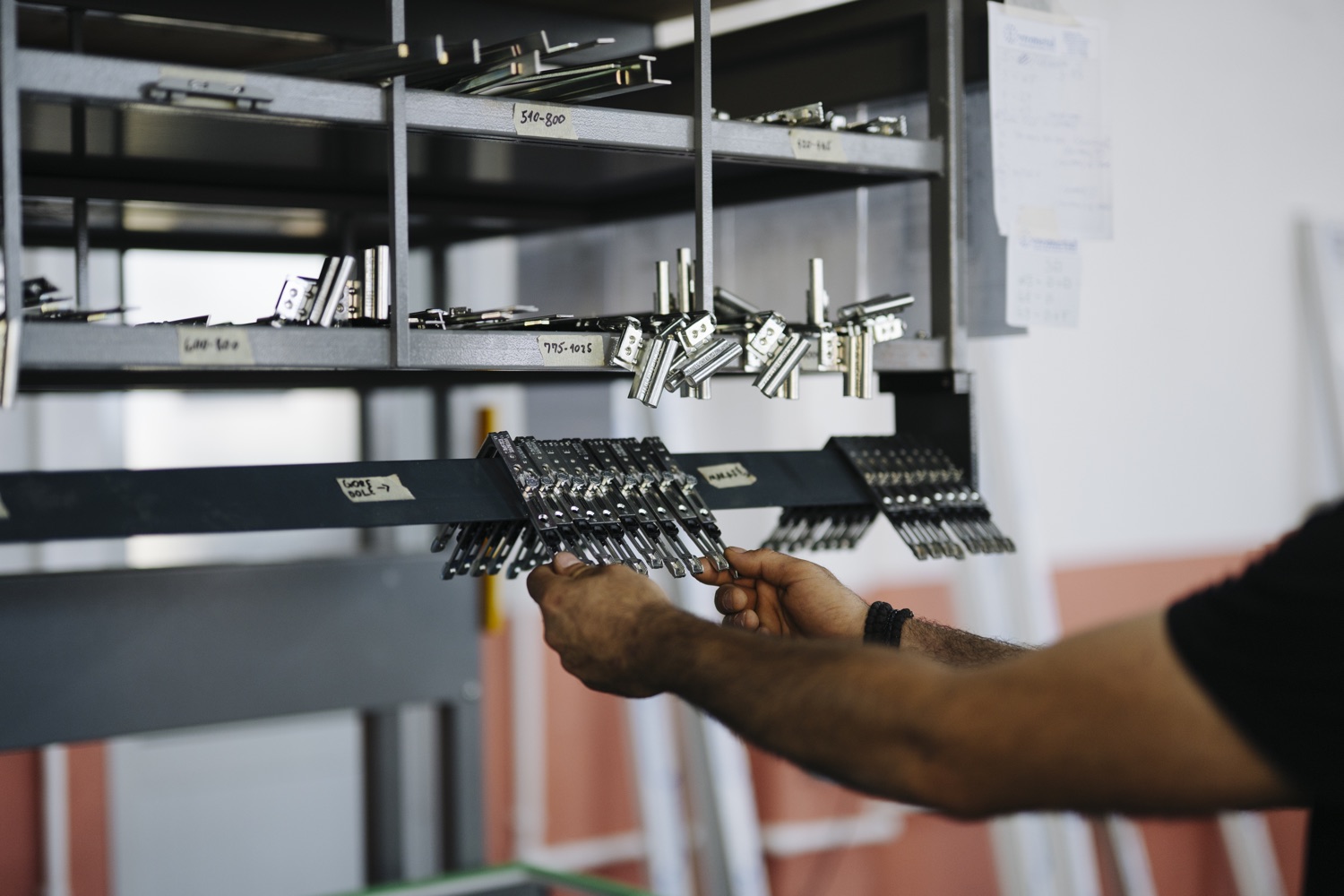
Warehouse worker sorting industrial hardware on storage shelves
Photo by Shixart1985 / Wikimedia Commons, CC BY 2.0. Cropped for display.

Distribution / Illustrative scenario

Sales rose. Where did the cash go?

A regional distributor is selling more but has less cash to buy stock. Popular items still run out, slow sellers sit on shelves, and some customers are taking longer to pay. The team needs to know which problem is tying up the most cash.

AnsimusAi.data
Would connect sales orders, stock quantities and costs, and invoice balances and due dates for one branch. Matching product and customer codes would show what is sitting unsold and who still owes money.
AnsimusAi.CxO
Would show how much cash is tied up in slow-moving stock and how much is outstanding on overdue invoices. The team could compare the likely cash impact of ordering less of specific items or collecting specific invoices sooner.
Next Best Action
AnsimusAi.CxO would compare the cash each option could release and propose the strongest first move, whether that is reducing reorders or prioritising collections. The human CxO decides which action to take and what stock availability to protect.
What the team gets
A breakdown of cash tied up by product and customer, plus a prioritised list of stock and collection actions to review with the branch team.

03 / The platform

One data foundation. Two ways to use it.

Use AnsimusAi.data on its own, or use it as the evidence base for the agentic CxO and portfolio value creation workflows.

  • 01 / Business and technical services

    AnsimusAi.data

    Business services define the decision, agree the measures and identify the data needed. Technical services map, reconcile and validate those records across existing systems. Teams get usable metrics with a traceable source for each figure.

  • 02 / Insight to interaction

    AnsimusAi.CxO

    Ask what drove performance, challenge the explanation and run business simulations to compare options. The agentic CxO proposes scenario-tested Next Best Actions with expected impact and trade-offs. The human CxO makes the decision.

  • 03 / EBITDA value creation

    AnsimusAi.portco

    Turn the investment thesis into an EBITDA-focused value creation plan (VCP). Set a business-as-usual (BAU) baseline, test targeted changes in scenarios and track the incremental EBITDA supported by the evidence.

04 / Roadmap

Three gates mark the path from tested build to platform.

  1. 01 / Today

    Built and tested

    • .data working
    • .CxO working
    • Self-scoring tests
    • 41 quarters of SEC-reported data

    Gate to productionSEC definitions aligned

  2. 02 / Next

    Production-ready

    • Authentication
    • Private network
    • PostgreSQL storage
    • Self-hosted AI model

    Gate to partner pilotsSecurity review passed

  3. 03 / With design partners

    Partner pilots

    • Live client data
    • Engines calibrated
    • 50–200 peer companies
    • Backtested forecasts

    Gate to scaleAccuracy proven on client data

  4. 04 / At scale

    Platform

    • Hundreds of entities
    • Templates per ERP
    • AnsimusAi.portco live
    • Learning loop live

Source: AnsimusAi product roadmap, November 2026

Leadership

The team behind AnsimusAi.

Now piloting

AnsimusAi is piloting in the real world.

Talk to AnsimusAi about a live decision your team faces and how scenario-tested Next Best Actions could inform it.